Skip to Main Content
Skip Nav Destination
Hematology Cover Image for Volume 2025, Issue 1
Current Issue
Volume 2025,
Issue 1,
December 5 2025

The Hematology, ASH Education Program (Hematology 2025) is an annual publication that provides practicing hematologists with invaluable information on the most important areas of clinical progress. Hematology 2025 is a peer-reviewed collection of articles written by the 2025 ASH Education Program speakers and the Ham-Wasserman Lecturer. The papers showcase groundbreaking advances and new concepts in 30 different fields. Every year, the periodical provides an updated and comprehensive review of each of the topics covered in the annual meeting education sessions. The publication is supplemented by two online knowledge tests based on the articles from each edition.

This activity is supported by educational grants from AstraZeneca Pharmaceuticals, GlaxoSmithKline LLC, Merck Sharp & Dohme Corporation, and Novartis Pharmaceuticals Corporation.

Illustration of T cells attacking an acute myeloid leukemia cell. Artist: Laszlo Nemes/Science Photo Library

Featured Content

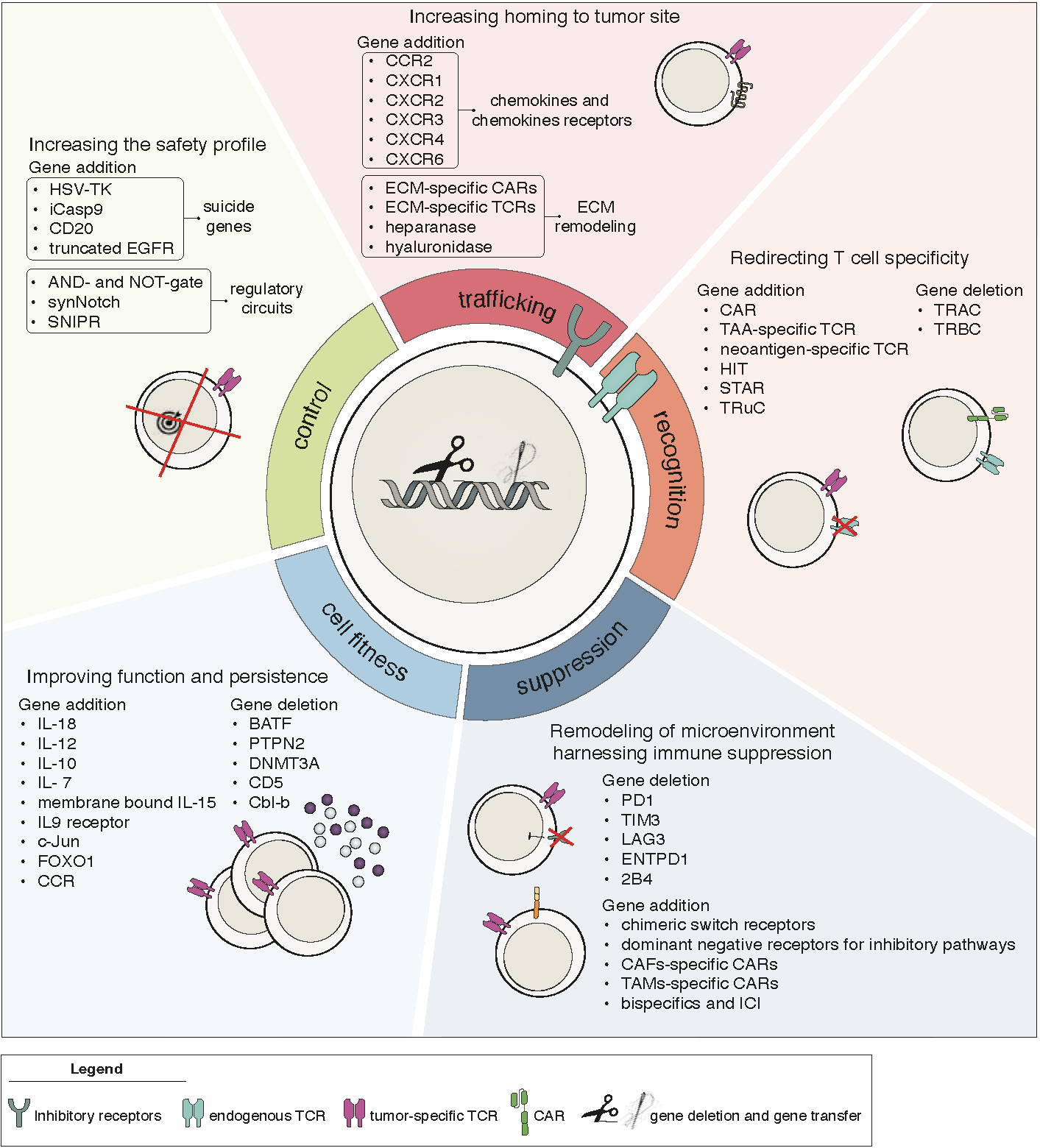
Gene transfer and genome editing of T cells for cancer immunotherapy: from allogeneic HSCT to TCR gene editing

Learning Objectives

  • Identify the major challenges for adoptive T-cell therapy to treat cancer, and how gene transfer and genome editing can cope with each of these challenges
  • Identify pros and cons of genome editing tools currently used to engineer the genome of T cells

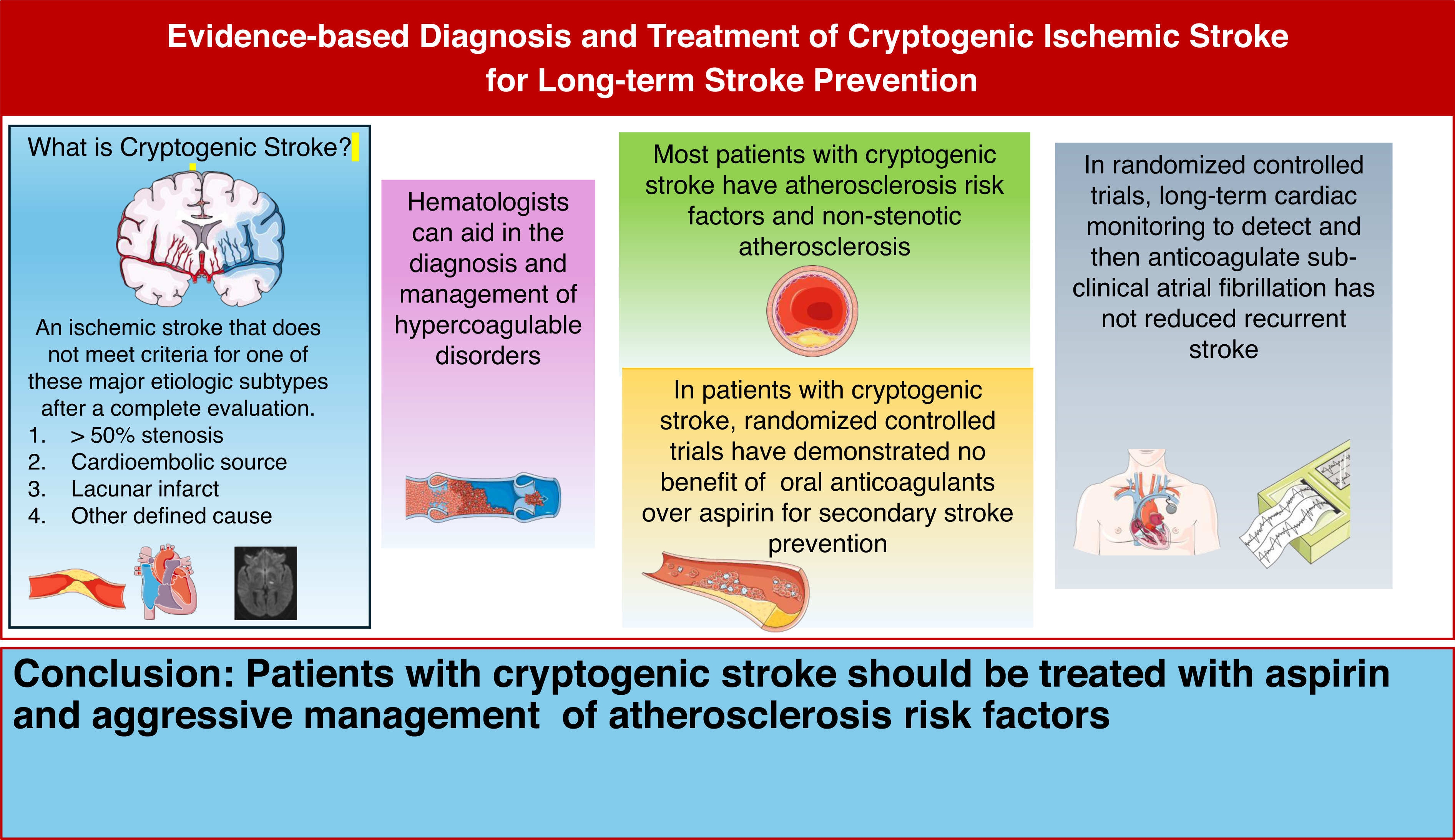
Cryptogenic stroke: definitions and management

Learning Objectives

  • Apply diagnostic criteria for cryptogenic ischemic stroke and embolic stroke of undetermined source
  • Apply data from randomized controlled trials to optimize secondary stroke prevention in patients with cryptogenic ischemic stroke and embolic stroke of undetermined source

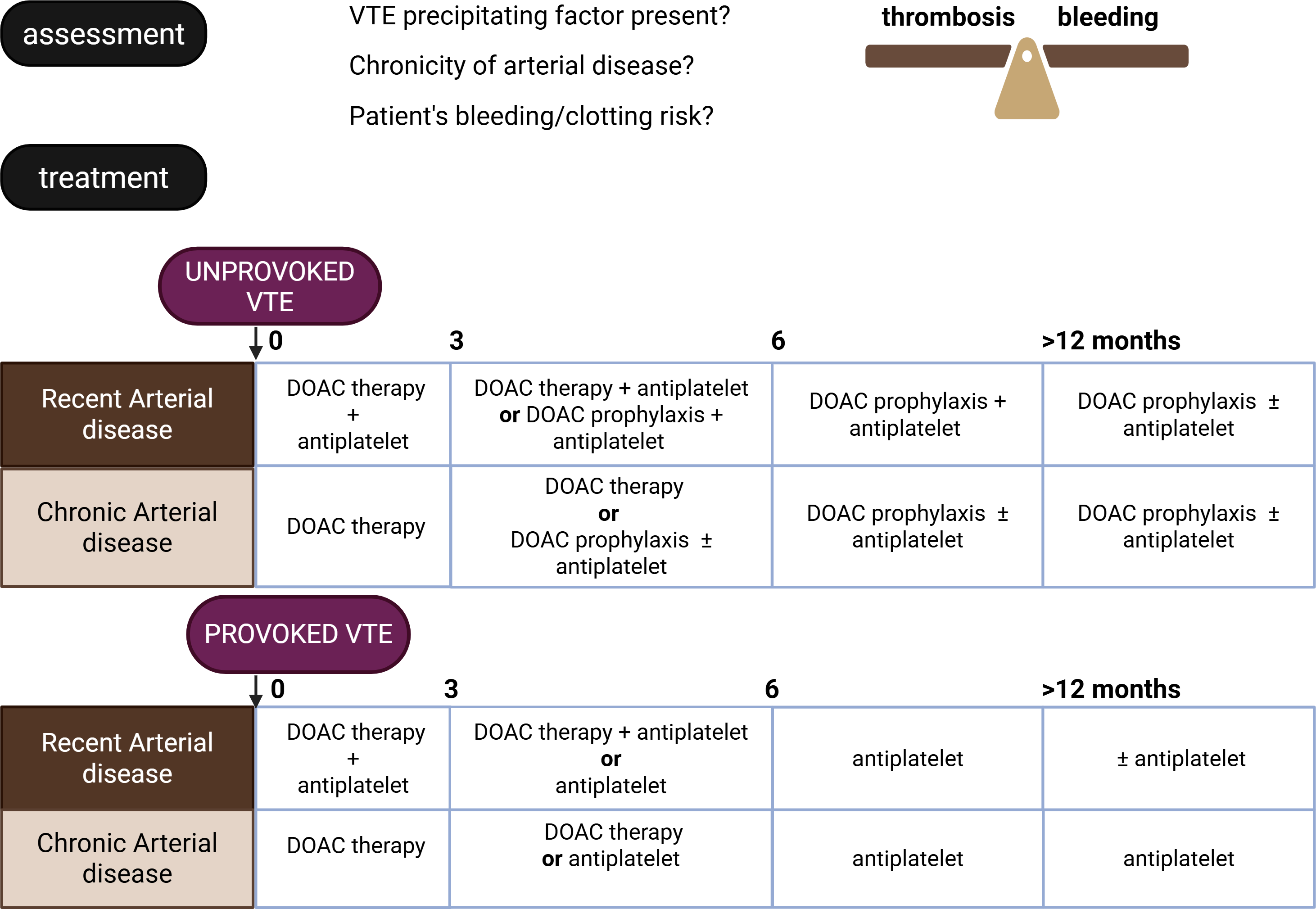
Managing patients with a history of arterial disease and new venous thromboembolism

Learning Objectives

  • Understand the incidence and risk factors for VTE in patients with arterial disease
  • Select and modify antithrombotic therapy in acute and chronic arterial disease
  • Balance thrombosis and bleeding risk using scoring systems and evidence from combination-therapy trials

or Create an Account

Close Modal
Close Modal